

From Field to File: The Journey of a Dune Print
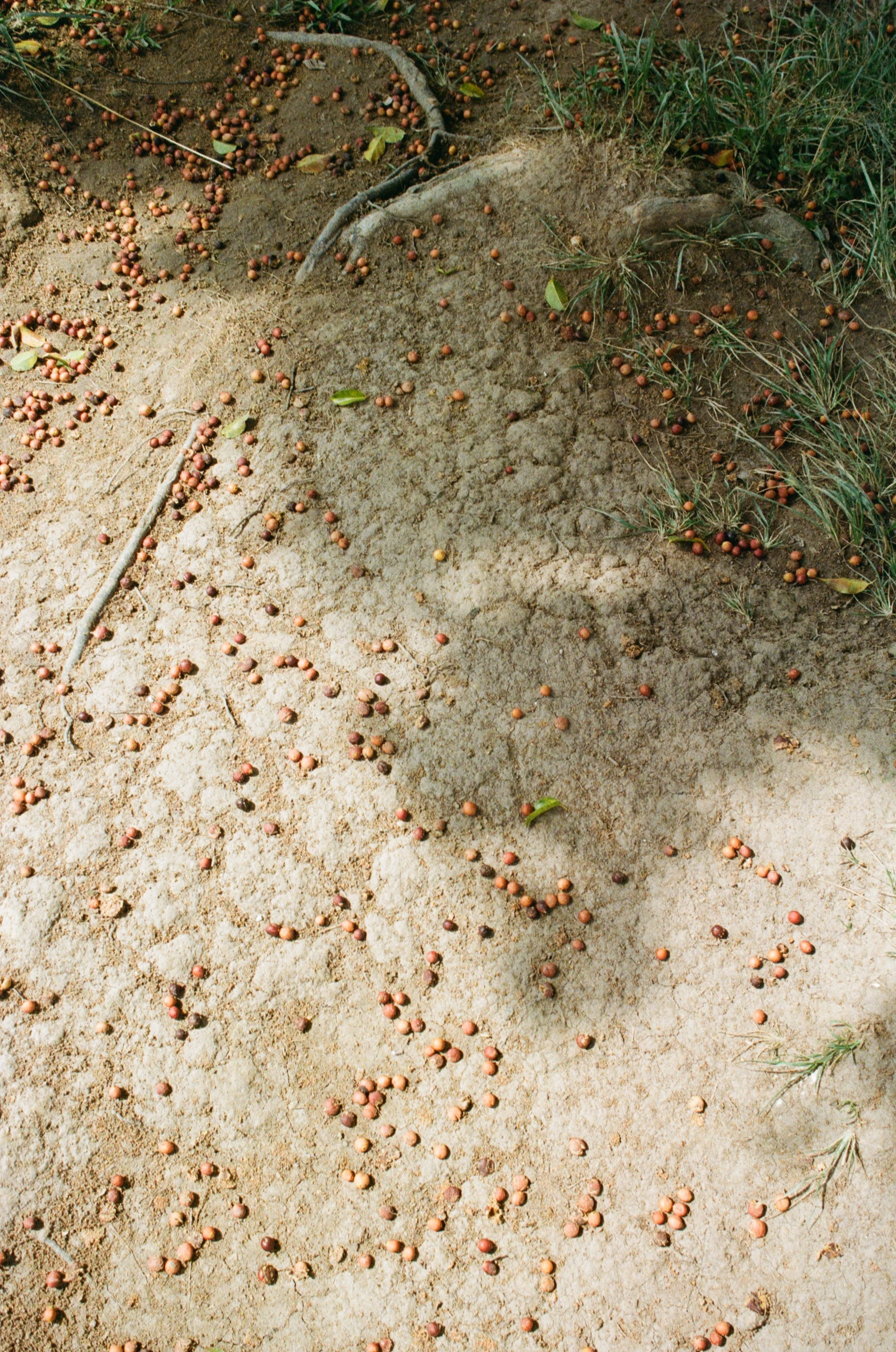
At Dune, we believe that photography is as much about presence as it is about process. What you see in our collection isn’t just a moment that was captured; it’s the result of dozens of small choices—from the way we travel and frame a shot, to how we scan, prepare, and deliver the final image to you. The path from field to file isn’t fast, and that’s intentional.
Here’s what that journey actually looks like, and why we believe every step matters.
Step One: Going Where the Light Is
Every Dune image begins with a location—a place that catches our eye not because it’s iconic, but because it feels grounded. Sometimes it’s a mist-covered hillside in the Scottish Highlands. Sometimes it’s a rocky beach in Rhode Island or a faded trail outside of Medellín. We travel with curiosity, not a shot list.
We aren’t interested in chasing drama or novelty. Instead, we’re drawn to stillness—a particular texture of light, a subtle balance in the frame, the silence between moments. This approach often means early mornings, quiet hikes, or standing still in one spot for far longer than seems practical. It’s less about taking the photo and more about waiting for it to arrive.
Step Two: Choosing the Format (Film vs. Digital)
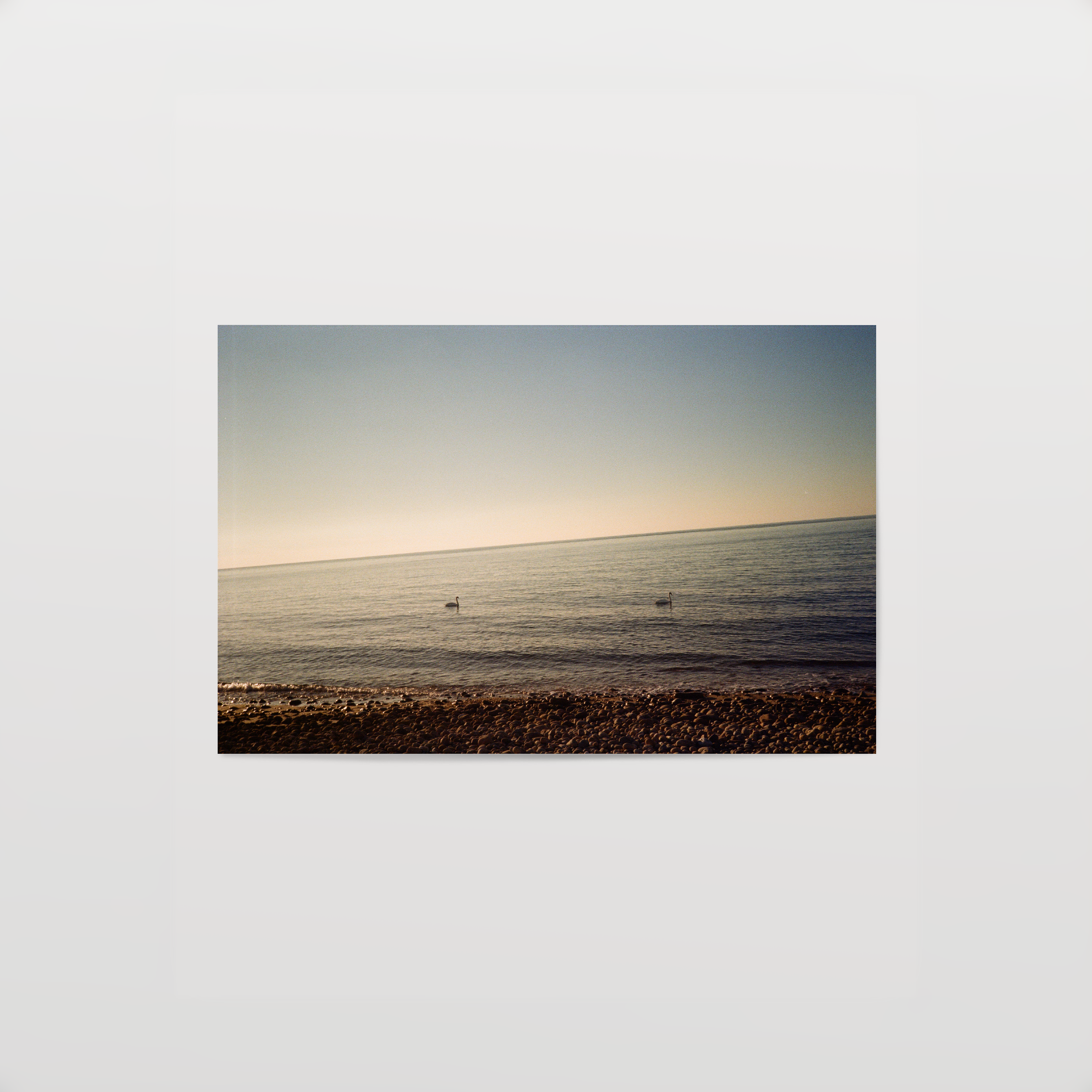
Many of our prints are captured on 35mm film. This isn’t a gimmick or an aesthetic decision—though the look of film does play a role. We choose film because it forces us to slow down. There’s no screen to review. Each frame counts. The process is quieter, more deliberate.
Film also responds to light and colour differently than digital. It softens the harshness of midday sun and brings a natural texture to shadow. For us, it’s less clinical and more human. That said, we also shoot digitally when the conditions or location demand more flexibility. The choice always comes down to what best serves the mood and honesty of the scene.
Step Three: Developing and Scanning
When shooting on film, the development process is part science, part preservation. We work with trusted film labs to develop and scan our negatives at high resolution. These scans form the base layer of every print—delivering the grain, depth, and subtle imperfection that make each image feel tangible.
Our scans are not heavily retouched. We remove dust and adjust for tonal consistency, but we resist the urge to overcorrect. A Dune image should feel like standing in the place where it was taken—not like looking at something that’s been polished past recognition.
With digital images, the process is equally intentional. We edit with restraint, adjusting for clarity, contrast, and tone, while preserving the natural light that shaped the moment.
Step Four: Preparing the Print Files
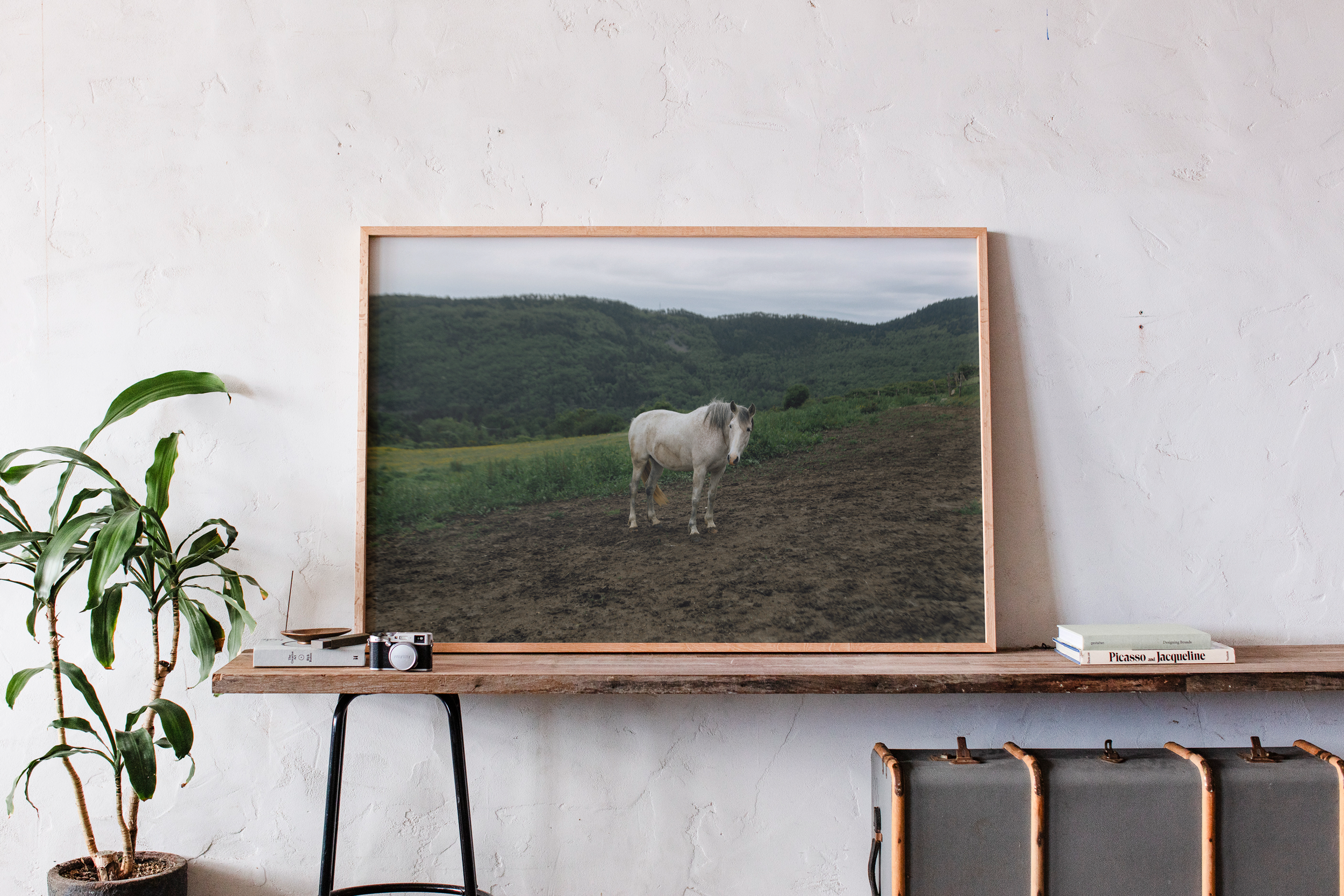
Once an image is scanned or edited, we prepare it for delivery. Every Dune print comes as a high-resolution digital file, formatted for multiple standard sizes (4x6, 8x10, 11x14, etc.). This isn’t just a matter of cropping and exporting. We make sure each version of the image holds its composition and visual balance, regardless of size.
This preparation phase also involves subtle refinements—fine-tuning white balance, checking sharpness at scale, ensuring that shadows don’t lose depth when printed. It’s about creating something that translates beautifully from screen to paper, and from one space to another.
Step Five: Curating the Collection
Not every photo we take becomes a Dune print. In fact, most don’t.
Curation is one of the most important (and invisible) parts of the process. We build collections with cohesion in mind—each one grounded in place, light, and tone. Whether it’s the soft erosion of our Sands series, the still tension in Mountains, or the horizon-led calm of Oceans, the images are meant to speak to one another.
We don’t believe in overwhelming our customers with hundreds of options. Instead, we offer a rotating collection that always feels considered. That makes the curation process both selective and fluid. A photo might not fit one series, but resurface months later as part of something new.
Step Six: Making It Yours
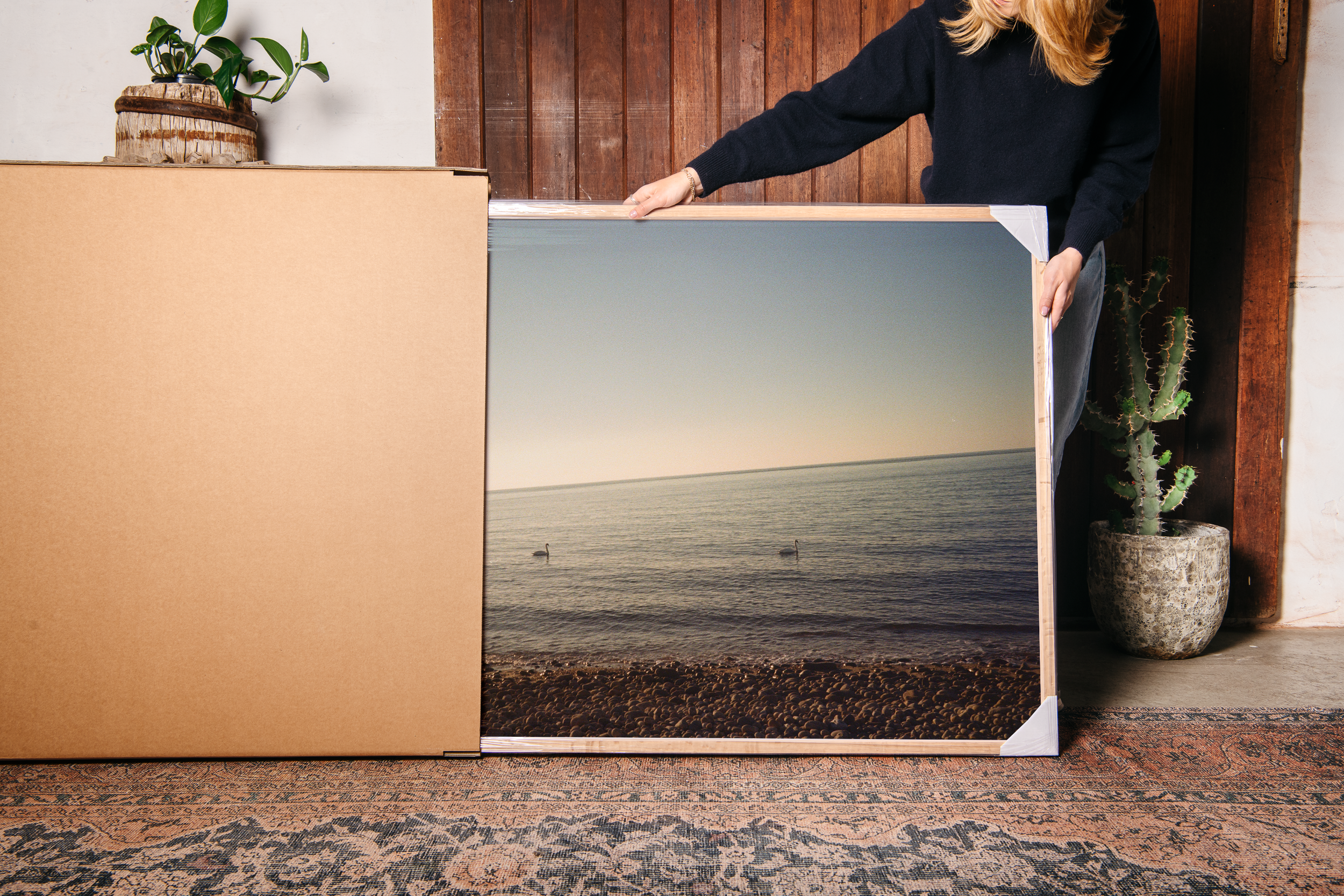
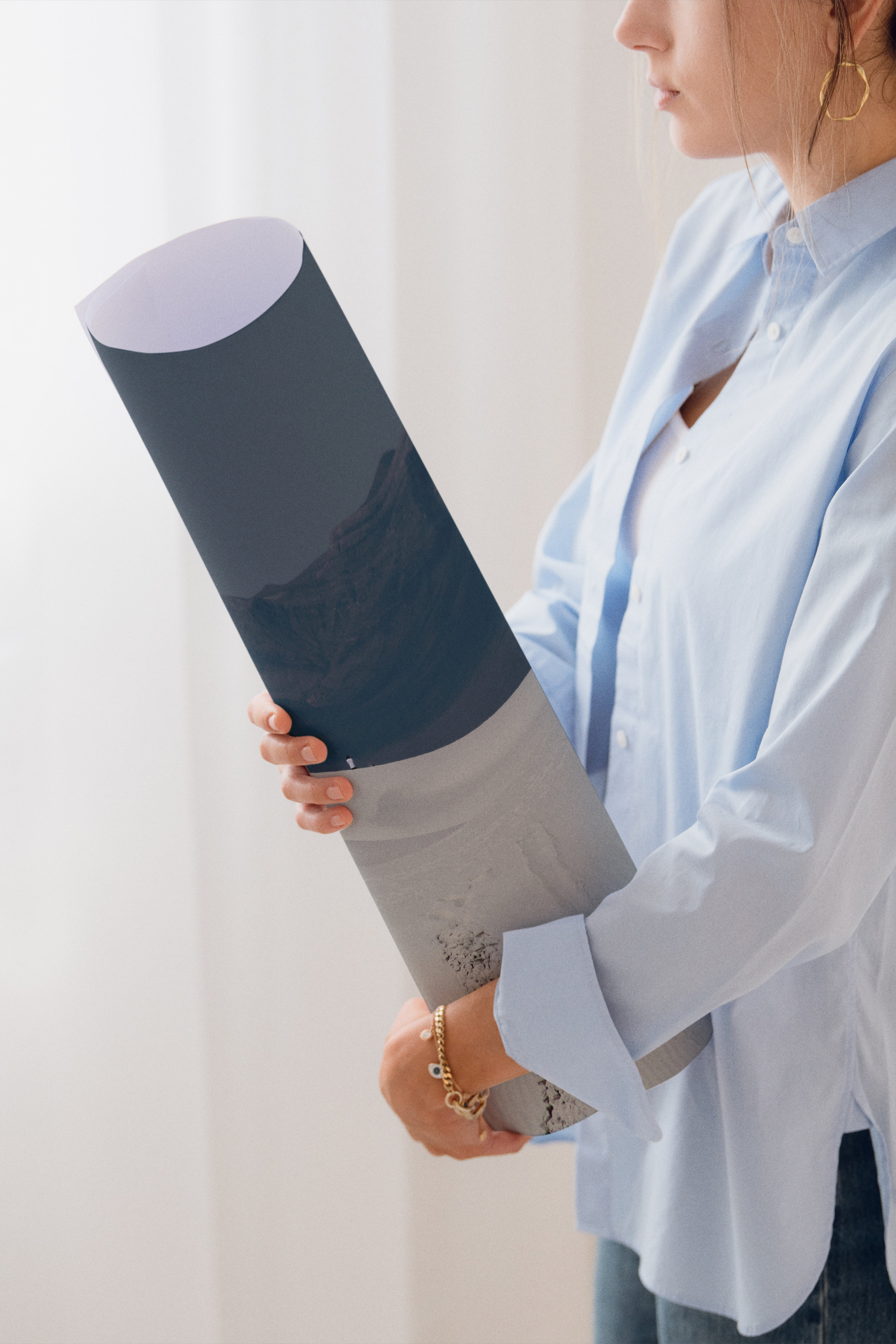
Unboxing our popular Swans print
Once a print is part of the Dune collection, it becomes available for immediate digital download. Customers receive a high-resolution file that can be printed at home or through a trusted lab—we often recommend places like IOLabs (Rhode Island), Artifact Uprising, or The Print Space (UK).
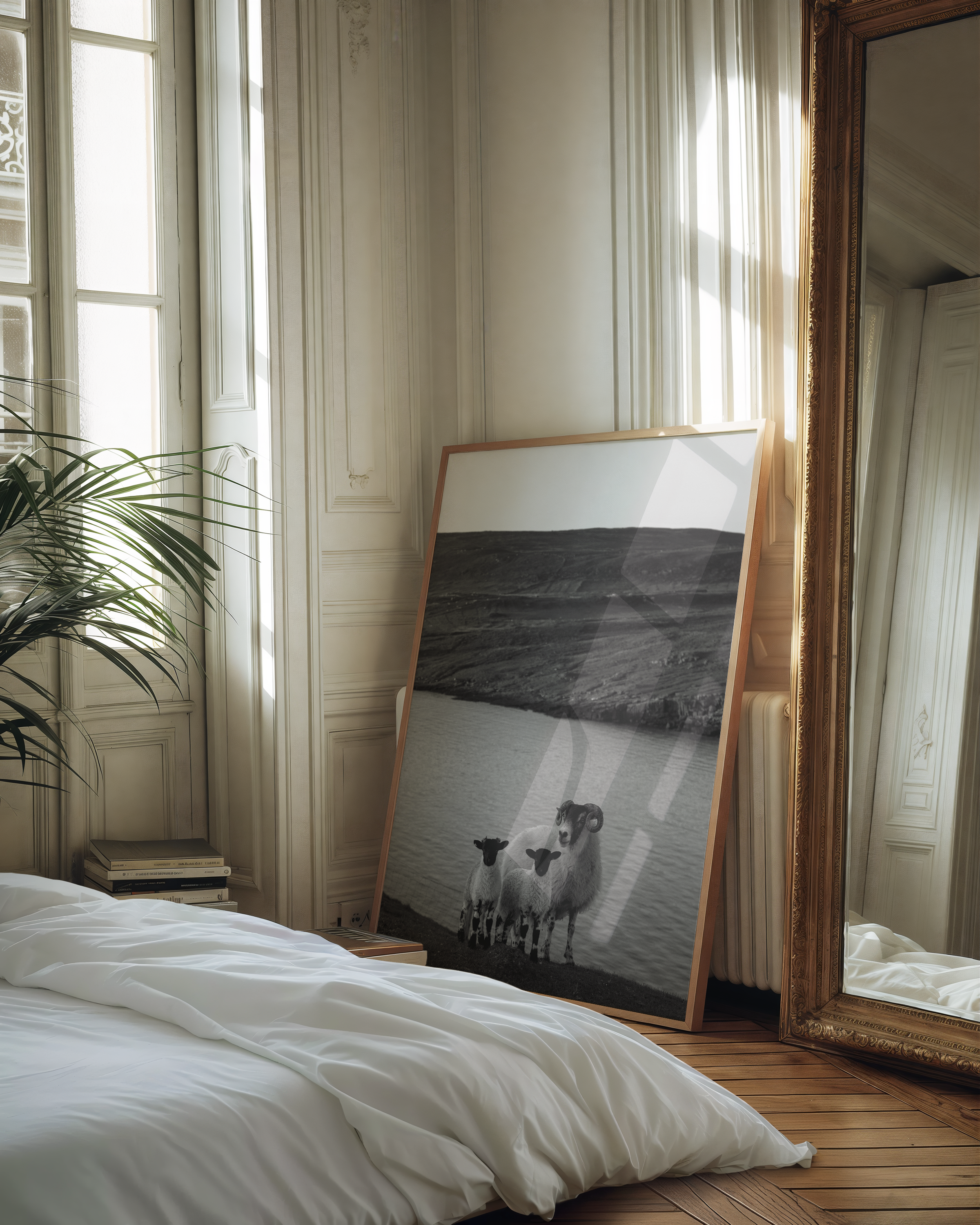
We also provide guidance on paper types, framing, and sizing to help bring the image fully into your space. We believe that digital prints can be just as tactile and lasting as physical ones—if you begin with the right file, and treat it with care.
That’s why we format each download to accommodate various display styles—from small, matted frames on a bookshelf to oversized centrepieces above the sofa.
Why the Process Matters
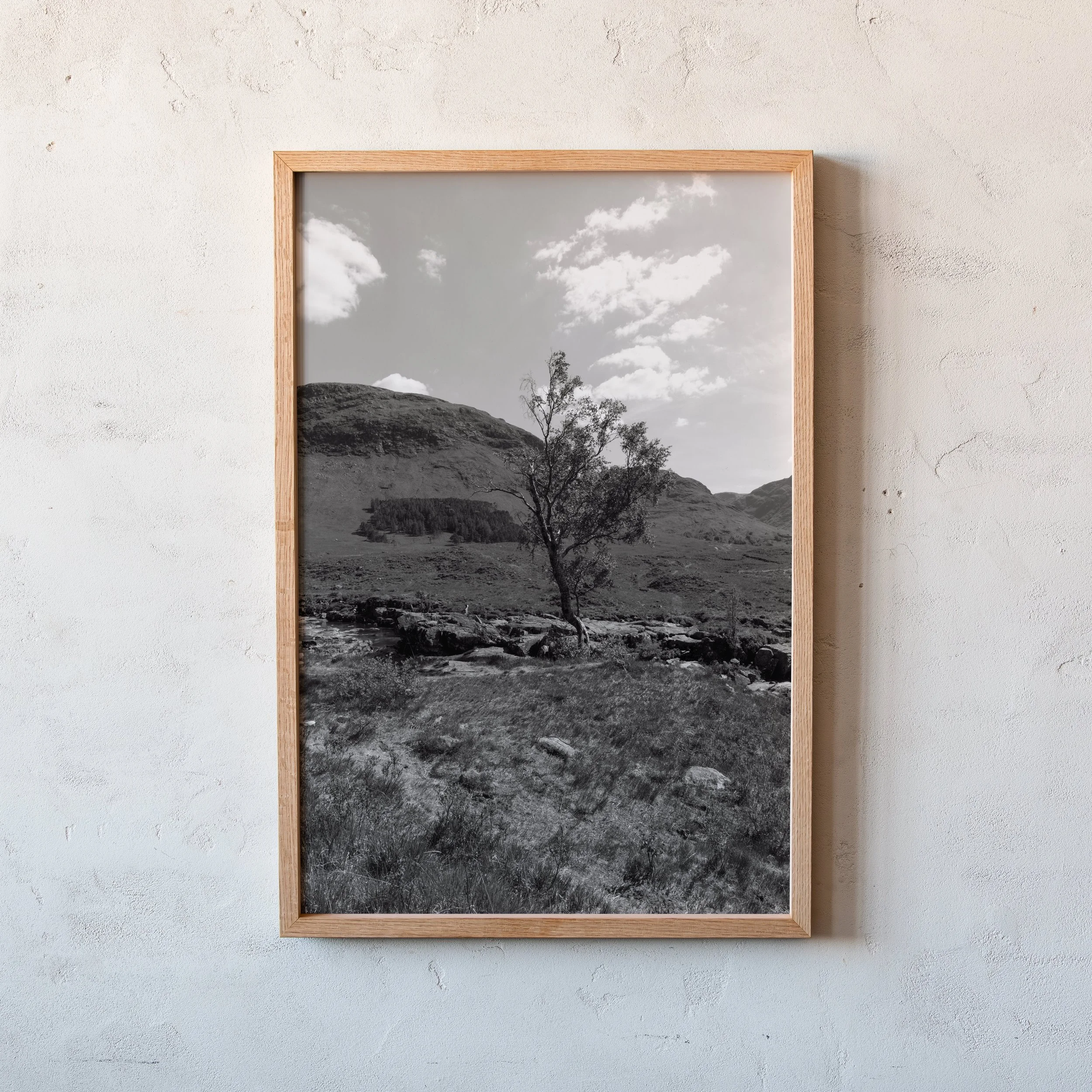
You might not see every step when you browse the collection. And that’s okay. In fact, we hope the final result feels effortless.
But behind every image is a series of slow, deliberate decisions. We’re not a stock image library or a trend-driven shop. We’re a small team creating art in a way that honours time, place, and presence.
From the quiet hike to the edited file, each Dune print carries the imprint of where it came from—and how it was made.
Because what you choose to live with matters.